Volkswagen Taigun : The Volkswagen Taigun has been a solid player in India’s compact SUV market since its debut, earning fans for its solid build and driving fun.
Now, with a facelift spotted testing and set for a Q2 2026 launch, it’s gearing up to tackle fiercer rivals like the Hyundai Creta and Kia Seltos head-on.
Spied Changes Hint at Sharper Looks
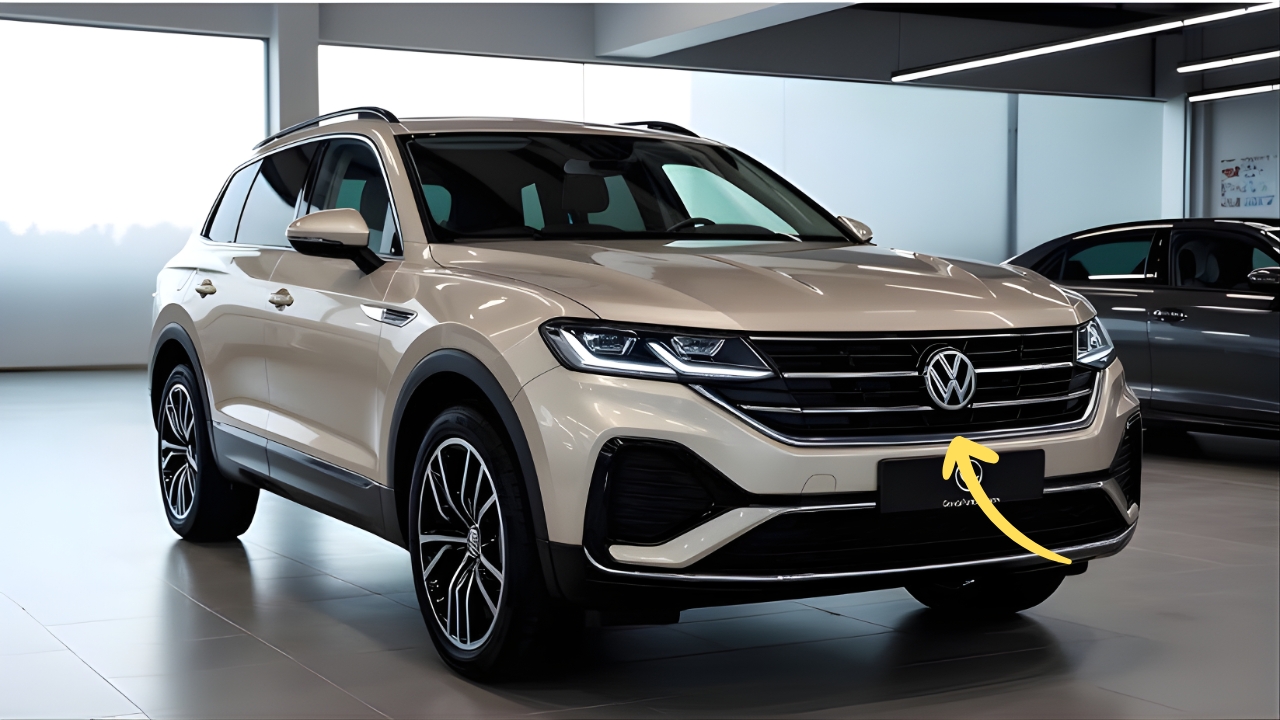
Test mules of the 2026 Taigun facelift have been caught on Indian roads, showing a refreshed front with a sleeker grille, sharper LED headlights, and new daytime running lights.
The rear gets updated LED tail-lamps connected by a light bar and a reworked bumper, while sides stay familiar but gain new 17-inch alloys.
This mid-cycle update keeps the Taigun’s muscular stance but adds modern flair to stand out in showrooms.
Built at Volkswagen’s Chakan plant near Pune, it promises the same German engineering that made the original a hit.
Cabin Upgrades for Everyday Comfort
Inside, expect the familiar 10.1-inch touchscreen with wireless Android Auto and Apple CarPlay to stick around, paired with touch-based climate controls.
Spy shots suggest a new 10.25-inch digital driver’s display, panoramic sunroof, and possibly ventilated seats plus an electric driver’s adjustment.
Higher trims might add rear massaging seats and auto AC, making long drives more plush without going overboard on gimmicks.
Volkswagen’s focus here is on practical tech that feels premium, building on the current model’s ventilated fronts and wireless charging.
Powertrains Evolve with Smoother Options
The Taigun will retain its 1.0-litre three-cylinder turbo petrol making 115PS and 178Nm, now potentially linked to an eight-speed automatic for better highway cruising.
The punchy 1.5-litre four-cylinder TSI, with 150PS and 250Nm, stays mated to a seven-speed DSG for that lively pull.
Both engines offer manuals too, emphasizing Volkswagen’s turbo-petrol expertise that delivers eager acceleration and decent efficiency around 18-19kmpl in real-world runs. No diesel return, but these units keep the Taigun fun-to-drive in a segment full of bland performers.
Safety Badge Shines Brighter
Already a benchmark with its five-star Global NCAP rating for adults and kids—scoring over 90% in protections—the Taigun facelift will carry forward six airbags, ESC, and a sturdy structure as standard. The reinforced body handled crashes with marginal-to-good results in side impacts too.
This puts it ahead of many rivals in India’s safety-conscious market, where buyers now prioritize more than just style. Features like rear parking sensors and hill-hold add to the confidence on twisty ghat roads or city chaos.
Driving Edge That Hooks You
Owners rave about the Taigun’s steering feel—light yet precise—and its highway stability, where it corners flat without drama.
Low-speed ride is firm over potholes, but it smooths out at speed, rewarding enthusiastic drivers with active cylinder tech on the 1.5 for efficiency.
Ground clearance at 188mm tackles our broken roads well, and the 385-litre boot swallows weekend gear easily.
In a crowd of soft-riding SUVs, the Taigun’s European handling makes it the pick for those who love piloting their ride.
Volkswagen Taigun : Facing Tough Rivals in a Hot Segment
With the facelift incoming, Taigun eyes the Hyundai Creta, Kia Seltos, and Maruti Grand Vitara—rivals packing similar tech but softer dynamics.
Volkswagen aims to double sales via this refresh and a new sub-4m SUV, betting on loyalists who value build quality over flash.
Spy images show it’s not reinventing the wheel, just polishing strengths like safety and pep. As testing wraps up, expect a festive-season tease to build hype in this cutthroat market.
The Taigun facelift feels like Volkswagen doubling down on what works: no-nonsense performance wrapped in evolving style.
Also Read This : Mahindra Thar Roxx premium features off-roader with ultimate power, fuel efficient
It’ll keep enthusiasts grinning on open roads while families nod at the safety stats. If you’re eyeing a compact SUV that drives like it means business, this update could seal the deal—just watch for those first drives post-launch.