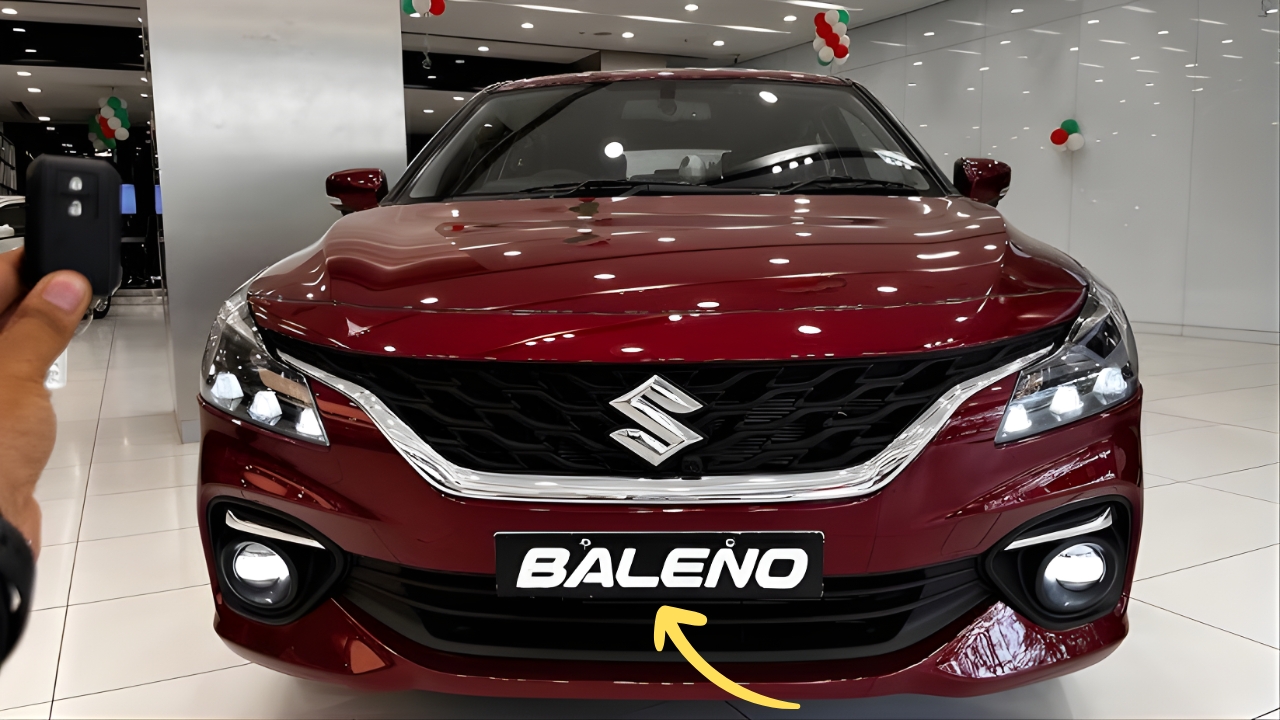
Maruti Baleno : Maruti Suzuki’s Baleno has long been a favorite in the premium hatchback scene, blending style, efficiency, and everyday usability into one neat package.
With whispers of an upcoming facelift buzzing around, enthusiasts are eager to see how this icon evolves next.
A Legacy of Popularity
The Baleno first hit roads back in 2015, quickly carving out a spot as a top seller thanks to its sleek design and peppy performance. It underwent updates in 2019 and a full second-generation refresh in 2022, keeping it relevant amid stiff competition.
Maruti recently bumped up safety by making six airbags standard across variants, helping it snag a solid four-star Bharat NCAP rating. Sales remain strong, with over 178,000 units moved in the past year, proving its pull in a crowded market.
Design Refresh on the Horizon
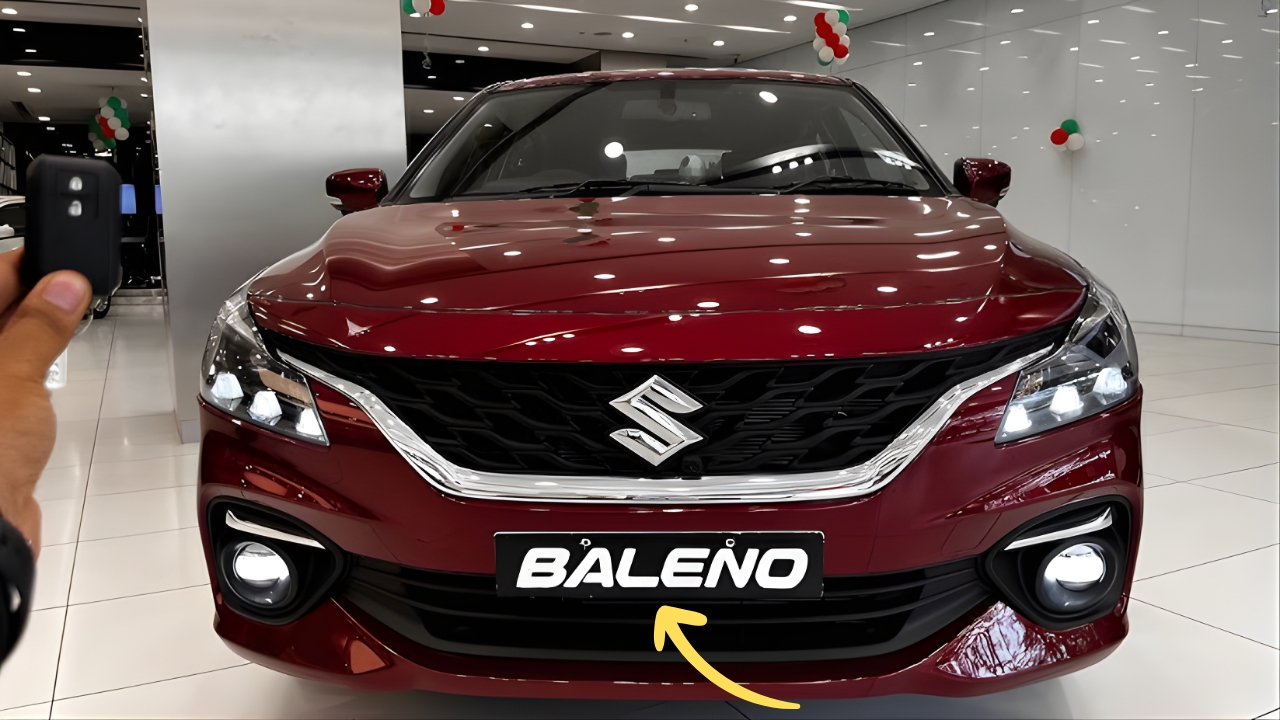
Expect the 2026 Baleno facelift to sport subtle yet striking changes upfront, like a reworked grille, bolder bumper, and sharper headlamps with sleek DRLs. Sides might get fresh alloy wheels, while the rear could feature updated taillights for a more modern vibe.
These tweaks aim to sync with Maruti’s latest styling cues without overhauling the familiar shape that buyers love. It’s all about that premium Nexa feel, refined for another lap around town.
Tech and Comfort Upgrades
Inside, the cabin could borrow dashboard vibes from newer Maruti models, paired with plush new upholstery. A bigger standalone SmartPlay Pro+ touchscreen looks likely, complete with wireless Apple CarPlay, Android Auto, and maybe even Alexa integration.
Other goodies on the wishlist include a digital driver’s display, electric sunroof, 360-degree camera, ventilated seats, and wireless charging—features that top variants already tease but could go wider. Surround Sense audio by Arkamys would elevate the drive, turning commutes into concerts.
Powertrain Stays Reliable
No big shakes under the hood for this mid-cycle update; the trusty 1.2-litre DualJet petrol engine soldiers on, churning out 89 bhp and 113 Nm, mated to a five-speed manual or AMT.
The CNG option keeps things green at 76.4 bhp and 98.5 Nm with the manual. Rumors swirl about Maruti’s in-house series-hybrid tech trickling in, possibly boosting mileage past 35 kmpl in future iterations, but that’s for the next-gen around late 2026 or 2027. For now, it promises that familiar zippy efficiency.
Safety Takes Center Stage
Building on its NCAP success, the facelift might edge closer to rivals with potential ADAS bits, though nothing’s confirmed yet. Standard six airbags, ESP, hill-hold, ABS with EBD, and ISOFIX anchors already make it a safe bet.
Real-time alerts via Suzuki Connect—like theft tracking, geofence, and tow-away notifications—add peace of mind. Maruti’s focus here ensures the Baleno doesn’t just look good but keeps occupants secure too.
Standing Tall Against Rivals
In the premium hatchback ring, the Baleno duels with Tata Altroz, Hyundai i20, and its twin Toyota Glanza. It outsells them handily, thanks to Maruti’s vast network and feature-packed appeal. The facelift should widen that gap, especially if sunroofs and larger screens become staples.
Even as Honda Jazz and VW Polo lurk, Baleno’s blend of flair and frugality keeps it ahead. Recent months saw it clock 22,108 units in December 2025 alone, a 142% year-on-year jump.
Maruti Baleno : What’s Next for Baleno Fans
Set for an April-May 2026 debut, this facelift arrives as production rumors swirl and bookings might open soon.
It mirrors Toyota Glanza’s path, keeping duo fresh. Beyond that, a hybrid next-gen looms by 2027, eyeing over 35 kmpl efficiency.
Also Read This : 2026 Toyota Sienna Reborn in Australian supercar market, Ultimate features with rugged 4×4 power
Maruti’s playbook—evolve without revolution—has served Baleno well, and this update feels like more of the same smart magic.
City drivers craving premium without fuss will find plenty to like. The road ahead sparkles brighter for this hatchback star.