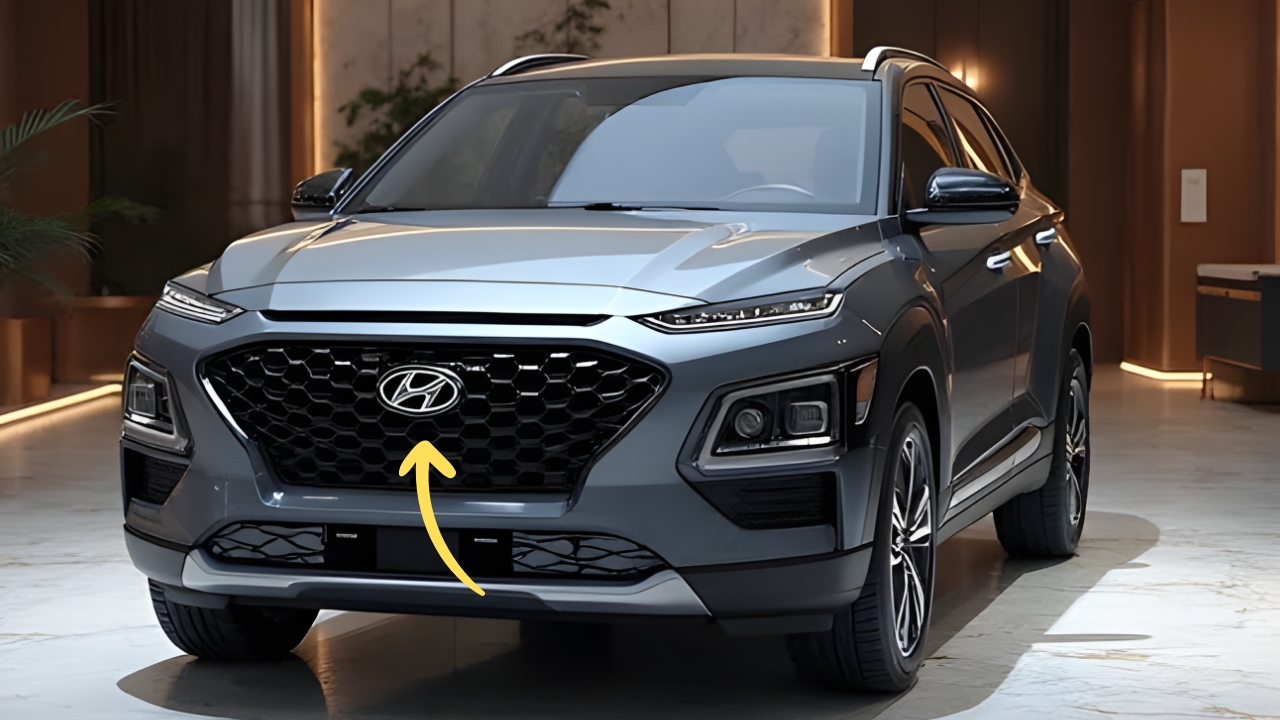
Hyundai Creta : Hyundai Creta has quietly become the defining example of what a compact SUV should be for Indian buyers.
Launched in India in 2015 and thoroughly modernised in 2020, the third‑generation Creta remains at the heart of Hyundai’s strategy, combining practicality, safety, and feature‑richness in a way that very few rivals can match.
In 2026, the Creta continues to shoulder the bulk of Hyundai’s sales, backed by frequent updates, limited editions, and a strong aftersales footprint across cities like Chandigarh.
Why the Creta Still Rules the Segment
The reason the Creta stays relevant lies in scale and adaptability. It starts around ₹10.7 lakh ex‑showroom and stretches up to roughly ₹20.2–₹20.3 lakh for top‑diesel automatic trims, giving buyers a wide decision window.
With over 40 variants on sale, Hyundai lets customers mix petrol, diesel, MT, DCT, and AT options to suit budget, fuel preferences, and city versus highway usage.
In a market where rivals like Tata Harrier, Kia Seltos, Grand Vitara and Skoda Kushaq keep pushing the envelope, the Creta responds with layered features and regular price revisions rather than radical overhauls.
Powertrains That Fit Indian Driving Habits
Beneath the sleek body, the Creta moves with three engine philosophies rather than one. The naturally aspirated 1.5‑litre petrol offers simplicity and strong city‑friendly torque, making it ideal for first‑time SUV buyers who want something easy to drive and easy to maintain.
The turbo‑petrol 1.5 delivers a noticeably sharper punch, especially mid‑range, and pairs well with the 7‑speed DCT for those who like a sportier feel without leaving the petrol ecosystem.
Finally, the 1.5‑litre turbo‑diesel remains the choice for long‑distance and commercial use, combining low‑end grunt with reasonable real‑world fuel efficiency on Indian highways.
Across all engines, Hyundai focuses on refinement and NVH control, so the Creta rarely feels like a bargain‑bin SUV even when you step into the base trims.
Design and Presence on Indian Roads
From the outside, the Creta leans into a confident, slightly muscular stance rather than chasing aggressive cues.
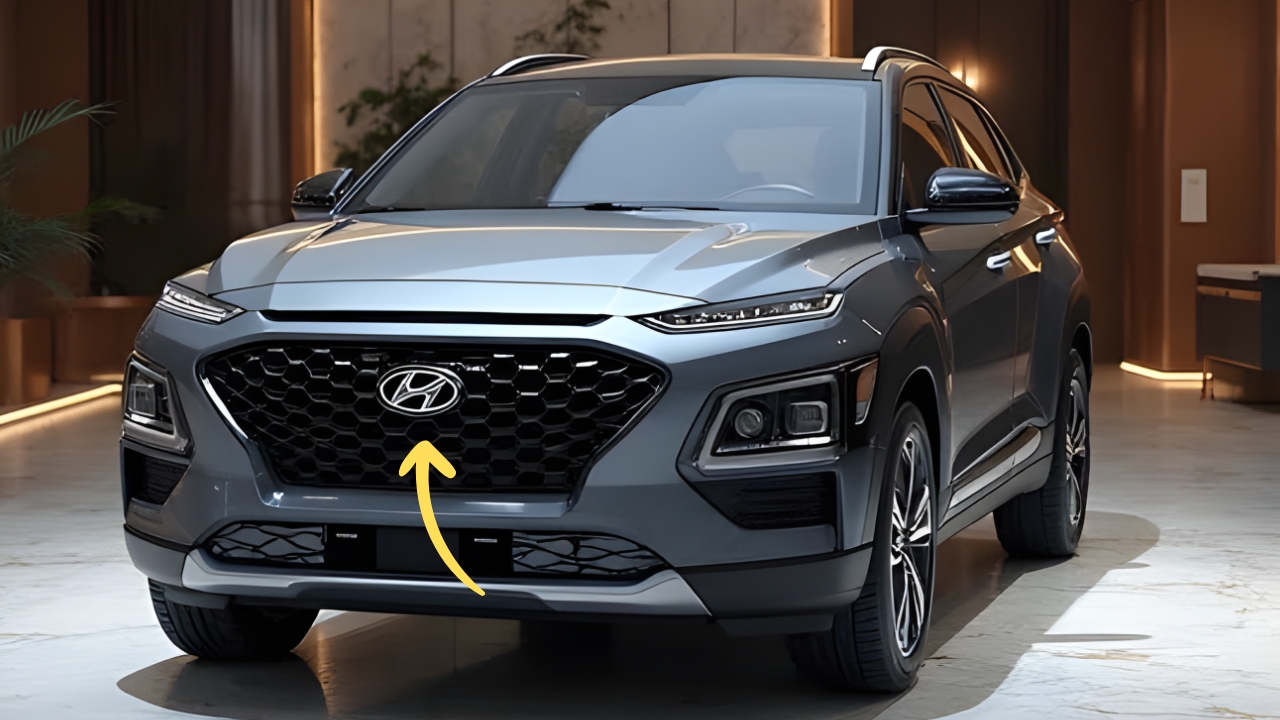
The front fascia with connected LED headlamps and a wide grille gives it a modern face, while the sloping roofline and roof rails keep it feeling sporty but not too flamboyant.
Measuring about 4,330 mm long, 1,790 mm wide, and sitting on a 2,610 mm wheelbase, the Creta feels spacious inside without turning into a traffic nightmare in crowded lanes.
Ground clearance of around 190 mm helps it cope with bad roads and potholes, which is a serious advantage in many Indian cities and suburbs.
Inside, Hyundai has moved towards a more minimalist, tech‑oriented layout. Higher trims offer dual 10.25‑inch screens—one for the fully digital instrument cluster and one for the infotainment—giving the cabin a premium lift that rivals many larger SUVs.
Soft‑touch surfaces, ambient lighting, and smart use of faux leather give the interior a more upmarket feel than the starting price might suggest.
Feature Set That Feels Like a Flagship
What truly separates the Creta from many competitors is the way features are layered across variants. Even mid‑range models come with a capable connected‑car system, automatic climate control, LED lighting, and multiple airbags.
Move up and you get a panoramic sunroof, ventilated front seats, 360‑degree camera, Bose‑branded audio, and advanced driver‑assistance features powered by Hyundai SmartSense.
On select top trims, the Creta now offers Level 2 ADAS‑like support with forward collision warning, lane‑keeping assist, blind‑spot detection, and high‑beam assist, all tuned to Indian traffic conditions.
Riding the success of the N Line, Hyundai has also expanded the “King” family of trims, adding special editions with dual‑tone paint, upgraded interiors, and limited‑run equipment packs.
These King and Knight‑branded variants appeal to buyers who want an SUV that feels premium without jumping into the luxury bracket.
Practicality, Safety, and Everyday Use
For a family‑oriented SUV, the Creta’s practicality is hard to beat. The 5‑seater layout offers enough legroom and headroom for four adults, and the boot space of around 433 litres is sufficient for weekend trips and bulk grocery runs.
Rear‑seat access is easy thanks to the rear‑hinged door configuration, and the rear passengers get decent air‑ventilation and USB‑type ports in higher trims.
Safety is no longer an afterthought. Six airbags are standard across the range, and important aids like electronic stability control, ABS with EBD, hill‑hold assist, and rear parking sensors are now commonplace.
Earlier generations scored a modest 3‑star rating from GNCAP, and while the current model is still awaiting fresh testing, the hardware and structure are clearly more mature.
Battling the New Crop of Challengers
The Indian compact SUV space is more crowded than ever in 2026. New entrants and facelifts from Tata, Kia, Maruti, Skoda, and others keep pressuring the Creta to stay fresh.
Hyundai’s response has been a mix of price cuts, feature upgrades, and limited‑edition trims rather than a full‑generational change.
Around GST‑related price recalibrations, the brand has trimmed up to ₹70,000–₹75,000 from certain variants, making the Creta more attractive to value‑focused buyers.
At the same time, Hyundai has introduced variants like Creta King and King Knight that target the “almost premium” segment without the price hike of an outright luxury SUV.
Hyundai Creta : Still Worth the Hype in 2026?
For many buyers, the Hyundai Creta represents the sweet spot between size, features, and total cost of ownership.
It may not be the most radical or the most performance‑oriented option on sale, but it rarely disappoints as an everyday family SUV.
Whether you’re looking for an office‑commute vehicle in Chandigarh, a weekend tourer, or a long‑distance highway companion, the Creta’s combination of engine options, safety hardware, and creature comforts makes it a strong first‑shortlist pick.
Also Read This : 2026 Toyota Sienna Reborn in Australian supercar market, Ultimate features with rugged 4×4 power
In a segment where choices are expanding rapidly, the Creta continues to prove that evolution—not revolution—can be enough to stay on top.