Tata Harrier : Tata Motors’ Harrier continues to be one of the most talked‑about SUVs in the mid‑size segment, thanks to its British‑inspired design language, strong safety credentials, and constant incremental updates that keep it relevant against newer rivals.
Over the past couple of years, the Harrier has evolved from a diesel‑only seven‑seater cousin of the Safari to a multi‑engine, tech‑loaded family SUV that also wears an electric avatar, all while staying firmly rooted to practical, everyday usability.
Design and Visual Presence
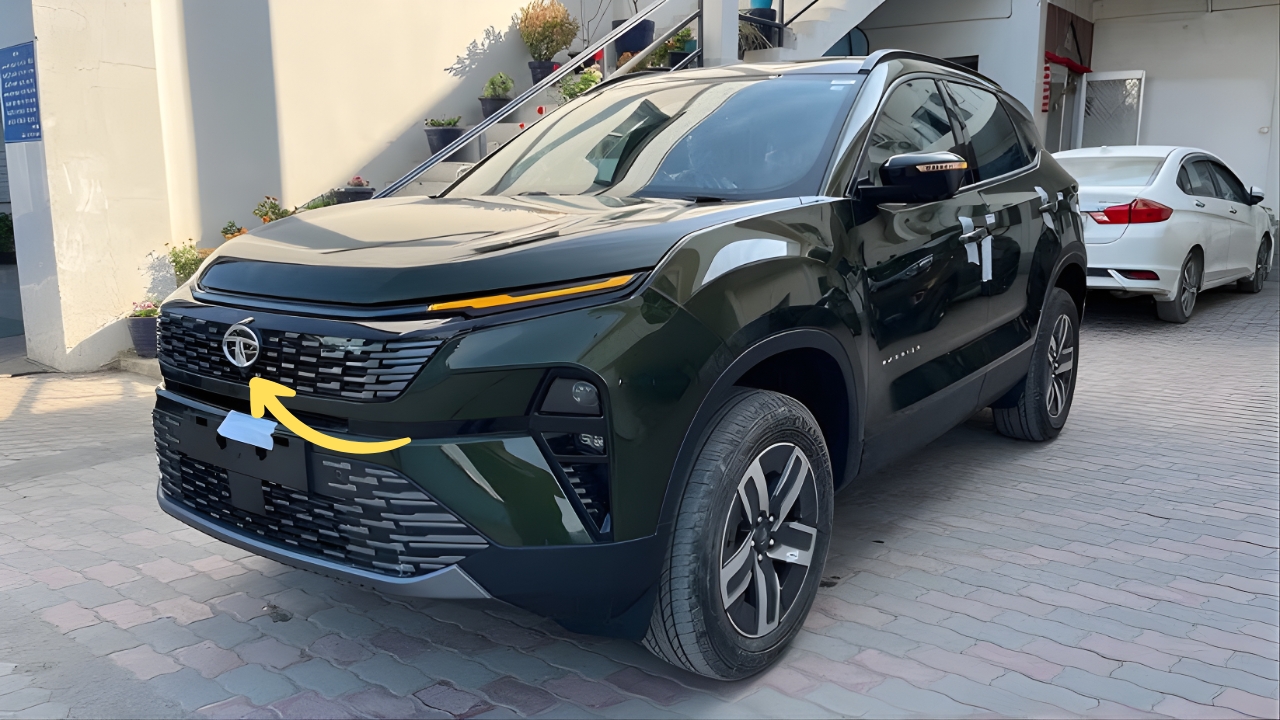
The Harrier’s styling leans on a muscular, almost Range Rover‑esque stance, with a tall silhouette, wide wheel arches, and a bold front grille flanked by slim LED headlights that give it a premium look even in lower trims.
The side profile is dominated by a long bonnet, floating roof‑style pillars on higher specs, and neatly sculpted shoulder lines that enhance the SUV feel without veering into flamboyance.
At the rear, the vertical LED tail lamps and a broad, squared‑off bumper lend the vehicle a planted, confident presence that aligns well with its positioning as a status‑driven yet family‑oriented SUV.
Interior, Comfort and Space
Inside, the Harrier blends functionality with a slightly upscale ambience, using soft‑touch surfaces on the dash, padded armrests, and a well‑defined driver‑centric layout.
The cabin offers generous shoulder and legroom for front occupants, while the rear seat can accommodate three adults reasonably well over short to medium distances, with proper legroom and decent headroom even for taller passengers.
With a tall body and a wide boot opening, the luggage compartment is easy to load and unload, making the Harrier a strong choice for weekend trips, in‑city errands, and even occasional long‑haul family tours.
New Safety and Driver‑Aid Features
Recent updates have sharpened the Harrier’s focus on safety, with enhanced electronic stability systems and advanced driver‑assistance features being introduced across higher trims.
The latest hardware includes Lane Keep Assist and Adaptive Steering Assist, which help keep the vehicle centred in its lane and adjust steering effort based on speed, reducing fatigue on highways and improving control in tricky corners.
Additional safety aids such as six airbags, electronic stability control, and improved crash‑structure calibrations have also contributed to strong occupant‑protection scores in independent safety evaluations, reinforcing its position as one of the safer options in its class.
Electric and Petrol Powertrains
While the Harrier started life as a diesel‑only proposition, Tata has now broadened its powertrain portfolio to include a dedicated Harrier EV built on the brand’s acti.ev Plus platform.
The electric variant targets buyers looking for low‑running‑cost, quiet, and torque‑rich motoring, with different battery options and trim levels that balance range and feature content.
Alongside the EV, a new 1.5‑litre turbo‑petrol engine has been introduced, shared with the Tata Sierra but tuned for heavier SUV duty, offering strong mid‑range response and a more relaxed, refined driving character compared with the older diesel‑only Harrier.
On‑Road Experience and Ride Behaviour
On the road, the Harrier leans towards comfort rather than outright sportiness, with a soft to medium suspension setup that soaks up broken tarmac and undulations without transmitting harsh jolts into the cabin.
Steering weight is light enough for city manoeuvring and tight parking, yet the system remains accurate enough to inspire confidence at higher speeds, especially since the latest setups integrate adaptive steering tweaks that adjust effort dynamically.
The elevated seating position, good visibility, and a well‑damped cabin make the Harrier feel composed on highways and comfortable in mixed‑traffic city conditions, which appeals strongly to family‑oriented buyers.
Tech and Infotainment Upgrades
The cabin’s feature set gets increasingly ambitious as you move up the trim ladder, with a larger touchscreen infotainment system, improved user interface responsiveness, and better‑quality camera visuals dominating the latest updates.
The screen now integrates more of the safety and driver‑assist features into its menus, offering real‑time feedback on lane‑keeping and other systems without cluttering the instrument cluster.
A 360‑degree camera view, along with front and rear parking sensors, makes the Harrier surprisingly easy to handle in tight urban spaces despite its bulk, while connected‑car features add convenience for navigation, remote check‑ups, and over‑the‑air updates.
Tata Harrier Positioning in the Market
Thanks to its evolving powertrain choices, continuous safety and tech upgrades, and a family‑friendly package, the Harrier sits in a space where it balances premium perception with practical ownership.
It competes with both conventional diesel and petrol SUVs as well as newer electric rivals, while leveraging Tata’s established service network and strong brand trust in the SUV segment.
Also Read This : 2026 Toyota Sienna Reborn in Australian supercar market, Ultimate features with rugged 4×4 power
For Indian buyers who value a blend of expressive design, roomy comfort, and progressively cleaner, safer technology, the Harrier remains a compelling everyday SUV that adapts as the market evolves rather than chasing fleeting trends.